 Passer au contenu
 Meilleures ventes
 Bodys
Bodys
 Bijoux de corps
 Cartes cadeaux




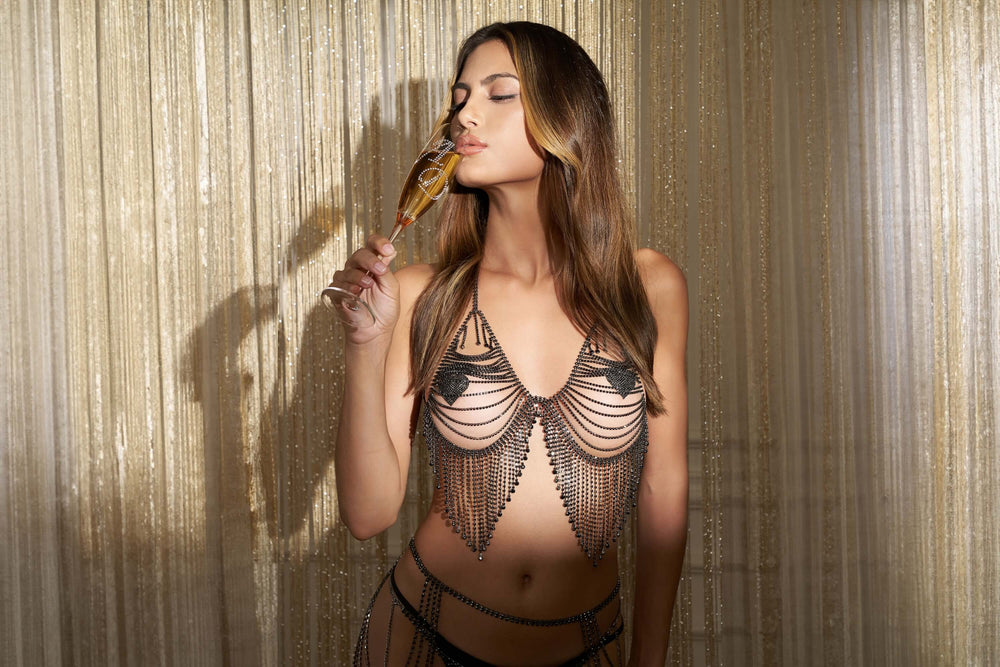
Body Jewelry for Sensitive Skin: How to Choose, Clean and Store Hypoallergenic Pieces
Estimated reading time: 15 minutes
Key Takeaways
- Choose safe metals: Implant-grade titanium, niobium, platinum, solid 14K+ gold, surgical stainless steel, and PTFE/bioplast.
- Clean properly: Follow metal-specific and rhinestone care routines to avoid damage and irritation.
- Store correctly: Keep pieces separated, use anti-tarnish strips and silica gel, control humidity.
- Prevent green discoloration: Understand copper reactions, choose better metals, create barriers, modify habits.
- Seek professional advice: For persistent reactions or healing piercings, consult dermatologists or APP piercers.
Table of Contents
- Introduction
- Understanding Sensitive Skin and Metal Reactions
- Safe Materials for Hypoallergenic Body Jewelry
- How to Identify Truly Hypoallergenic and Nickel-Free Body Jewelry
- How to Clean Body Jewelry: Complete Guide
- How to Store Body Jewelry: Complete Guide
- Why Body Chains Turn Green and How to Prevent It
- Practical Shopping and Care Checklist for Sensitive Skin
- Alternatives and Special Situations
- When to Replace Jewelry and Professional Services
- Frequently Asked Questions
- Sources and Further Reading
Introduction
Body jewelry for sensitive skin requires special material choices and care routines to prevent irritation and infection. With nickel allergies affecting an estimated 10–20% of the population according to the American Academy of Dermatology, finding truly hypoallergenic options is essential for many jewelry wearers. This comprehensive guide will walk you through selecting safe metals, proper cleaning techniques (including for delicate rhinestone pieces), effective storage methods, and solutions for preventing discoloration issues like body chains turning green.
Whether you’re dealing with a new piercing or looking for everyday body adornments that won’t cause reactions, following professional guidance can make all the difference between comfortable wear and painful irritation. Safe Piercing Guidelines.
Understanding Sensitive Skin and Metal Reactions
Skin sensitive to body jewelry often develops itching, redness, burning, or dermatitis from exposures that don’t affect others. Two main reaction types occur:
Allergic Contact Dermatitis
A type IV hypersensitivity where metals like nickel trigger T-cell mediated inflammation 24–48 hours after contact, causing:
- Redness and swelling at the contact area
- Intense itching or burning
- Rash or blistering beyond the contact site
- Dry, thickened skin with prolonged exposure
Irritant Contact Dermatitis
Non-immune damage from friction, chemicals, or moisture trapping, leading to similar redness and irritation.
If you experience persistent rash, infection signs (pus, severe swelling, fever), or need patch testing, seek medical advice. A dermatologist can perform patch tests to identify trigger metals. More on Nickel Allergy.
Safe Materials for Hypoallergenic Body Jewelry
Prioritized safe options for sensitive skin:
Implant-Grade Titanium (ASTM F136 / ISO 5832-3)
Gold standard for new piercings—biocompatible with minimal allergy risk. Look for “implant grade” or “ASTM F136” labels. ASTM F136 Standard.
Niobium
Inert, hypoallergenic, anodizable for color without plating. True niobium is 99.9% pure.
Platinum
Pure, inert, rarely allergenic. Seek 950+ purity. Higher price point.
Solid 14K or 18K Gold
Solid gold reduces nickel exposure. Prefer ≥14K nickel-free alloys; yellow gold usually contains less nickel than white.
Surgical Stainless Steel (316L/316LVM)
Widely used and generally well-tolerated; may release trace nickel. For severe sensitivities, choose titanium or niobium instead. Safe Piercing.
PTFE/Bioplast
Flexible, inert polymers ideal for healing piercings or MRI procedures. Choose medical-grade only.
Materials to Avoid
- Unknown base-metal alloys in cheap fashion jewelry
- Plated pieces that expose reactive base metal when worn
- Copper or brass (green discoloration, irritation)
- Nickel-plated items—common allergy triggers. Why Jewelry Turns Skin Green
How to Identify Truly Hypoallergenic and Nickel-Free Body Jewelry
Verify manufacturer claims with this checklist:
Specific Material Labeling
- “Implant grade titanium” or “ASTM F136 titanium”
- “316L” or “316LVM surgical stainless steel”
- “Pure niobium”
- “PTFE” or “medical-grade plastic”
- “Solid 14K/18K gold” labeled “nickel-free”
- “Platinum”
Question Ambiguous Terms
“Hypoallergenic” alone has no standard definition. Insist on exact alloy information.
Ask the Vendor
- “Has this been tested for nickel release?”
- “What is the exact alloy composition?”
- “Is this solid or plated?”
- “Does this meet implant-grade standards?”
Consider dimethylglyoxime nickel test kits for severe allergies. Dimethylglyoxime Test.
How to Clean Body Jewelry: Complete Guide
A. Cleaning Non-Porous Metal Jewelry (Healed Piercings)
Supplies: Mild dish soap, warm water, soft toothbrush, lint-free cloth, bowl, optional mild jewelry solution.
- Mix warm water and soap; soak jewelry 1–2 minutes.
- Brush gently, focusing on crevices and threaded posts.
- Rinse under lukewarm water; use closed-drain sink.
- Pat dry with lint-free cloth; air-dry completely before storing.
Warnings: No bleach, acetone, ammonia, ultrasonic cleaners, or alcohol on plated or delicate pieces.
B. Aftercare for New or Healing Piercings
Supplies: Sterile saline wash or home-mixed saline (1/4 tsp sea salt in 8 oz distilled water).
- Wash hands; apply saline with gauze or soak for 5–10 minutes.
- Remove crust gently; rinse salt residue off.
- Pat dry with gauze or air-dry.
Avoid: Alcohol, hydrogen peroxide, benzalkonium chloride, ointments, Betadine. APP Aftercare.
C. Cleaning Rhinestone Jewelry and Costume Pieces
Supplies: Mild soap, warm water, toothbrush or cotton swabs, microfiber cloth, bowl, toothpick, polish cloth. Rhinestone Guide.
- Use shallow soapy water; avoid full submersion over 1–2 minutes.
- Dip swab around stones; brush only secure settings.
- Wipe with damp cloth; pat dry face-down on towel.
- Use polishing cloth on metal portions once dry.
Warnings: No alcohol, ammonia, ultrasonic, steam cleaners, or abrasives.
Signs You Need Cleaning or Replacement
- Tarnish, green/black residue, buildup, cloudy stones
- Pitting, exposed base metals, loose stones, bent posts
How to Store Body Jewelry: Complete Guide
Separate Each Piece
- Individual pouches, zip-locks, compartment boxes
- Microfiber pouches for shaped pieces
Use Anti-Tarnish Protection
- Anti-tarnish strips in containers; replace every 3–6 months
Control Humidity
- Include silica gel packets; recharge/replace regularly
Choose Proper Location
- Cool, dark, away from sunlight, heat, bathroom steam
Special Storage for Piercing Jewelry
- Sterile airtight containers; keep original labels
- Label gauge, length, material
Avoid Chemical Exposure
- Perfumes, cosmetics, cleaning products, chlorine
- Wipe with soft cloth before storage
Body Chain Storage Tips
- Store flat in rolls or on stands
- Use anti-tarnish strips and zip bags
- Ensure complete dryness before storing
Why Body Chains Turn Green and How to Prevent It
The Chemistry Behind Green Skin
Copper alloys react with sweat acids to form verdigris, transferring green salts to skin. Accelerated by acid sweat, moisture, heat, cosmetics. More on Green Stains.
How to Prevent Green Discoloration
Choose Better Metals
- Titanium, niobium, solid gold, platinum, rhodium-plated steel
Create a Barrier
- Thin clear nail polish on contact areas; reapply as needed
Modify Wearing Habits
- Remove before water or exercise; avoid lotions/perfumes;
- Wipe chain dry after wear
Professional Solutions
- Rhodium plating for permanent barrier
- Invest in high-quality pieces
Cleaning and Maintenance
- Regular cleaning; dry thoroughly
- Replace reactive chains if needed
Troubleshooting Existing Green Marks
- Wash area with soap and water
- Baking soda paste for stubborn stains
- Give skin time to heal; clean or replace jewelry
Practical Shopping and Care Checklist for Sensitive Skin
Before Purchasing
- Exact alloy listed (ASTM F136, 316LVM, pure niobium, etc.)
- Solid vs. plated/fill status
- Plating material and thickness if plated
- Nickel-free label for gold
- Vendor certification or testing results
- Return/exchange policy for reactions
- Close-up photos of finish quality
- Reputable manufacturer or piercing studio
Initial Inspection Upon Receipt
- Check for defects, loose stones, proper closures
- Clean before first wear
Regular Maintenance Routine
- Clean after each wear, especially post-sweat
- Remove for water exposure or heavy perspiration
- Store individually with anti-tarnish measures
- Monthly check for wear, loose settings
- Wipe before storage
If You Experience a Reaction
- Remove jewelry; clean skin gently
- Don’t reinsert until cleared
- Consult dermatologist for patch testing if needed
- Avoid the triggering metal
Replacement Schedule
- Replace plating showing wear
- Replace pieces causing irritation
- Repair damaged closures/posts
- Upgrade to higher-quality materials over time
Alternatives and Special Situations
Pregnancy and Body Jewelry
- Avoid new piercings; immune/healing changes
- Switch to flexible PTFE/bioplast retainers
- Hormonal sensitivity changes; remove uncomfortable navel jewelry
- NHS Body Piercing Guidance
MRI Safety and Body Jewelry
- Inform provider; remove all metals if possible
- Non-ferromagnetic options: titanium, PTFE, some implant-grade steel
- Consult radiology department
- MRI Safety Info
Children and Infants with Pierced Ears
- Nickel-free studs with secure backs
- Avoid small detachable parts
- Clean more frequently
- Flat-back labret studs reduce catching risk
Extremely Sensitive Individuals
- Patch testing to identify triggers
- Maintain personal “safe metals” list
- Consider glass, PTFE, bioplast for initial jewelry
- Nickel-free regimen extending beyond jewelry
- Alternative materials: silicone, glass, certain woods
- Nickel Allergy Details
When to Replace Jewelry and Professional Services to Consider
Signs Your Jewelry Needs Replacement
- Worn plating, exposed base metals
- Damaged threads, loose stones, pitting
- Recurring irritation despite care
- Bent or non-functional closures
- Jewelers of America
Professional Services
Cleaning and Polishing
- Ultrasonic cleaning for precious metals
- Professional polishing annually
Replating Services
- White gold/rhodium replating every 1–2 years
Jewelry Inspection
- Check prongs, closures; tighten stones
- Every 6–12 months for fine jewelry
Professional Piercer Consultation
- Assess fit, material compatibility, healing issues
- Find APP members at Safe Piercing
Stone Replacement
- Replace rhinestones/gems professionally
Frequently Asked Questions
How should I clean rhinestone jewelry?
Use mild soap and warm water with a soft cloth or cotton swab. Never soak glued settings for more than 1–2 minutes, and avoid alcohol-based cleaners to protect the foil backing. Air dry completely before storing. Rhinestone Care FAQ.
How do I store my body jewelry to keep it hypoallergenic?
Store in individual air-tight containers or pouches with anti-tarnish strips. Keep pieces separated, include silica gel packets, and choose a cool, dark location away from humidity and chemicals.
What is the best metal for sensitive skin?
Implant-grade titanium (ASTM F136) is the safest, with no nickel. Other top choices: niobium, platinum, solid 14K+ nickel-free gold, and medical-grade PTFE for extreme sensitivities.
How do I stop my body chain from turning green?
Choose non-reactive metals (titanium, stainless steel, solid gold). Apply clear nail polish as a barrier, remove before water exposure, and wipe dry after wear. For valuable pieces, consider rhodium plating. More on Preventing Green Stains.
Are "nickel-free" claims trustworthy?
Not always—look for specific alloy info (ASTM F136 titanium, 316L steel). “Nickel-free” has no universal standard. For severe allergies, test with a dimethylglyoxime kit or stick to titanium. Nickel Allergy Info.
Sources and Further Reading on Body Jewelry for Sensitive Skin
- American Academy of Dermatology – Nickel Allergy
- Association of Professional Piercers – Aftercare & Materials
- NHS UK – Contact Dermatitis
- NHS UK – Body Piercing
- Healthline – Why Jewelry Turns Skin Green
- The Spruce – Cleaning Costume Jewelry
- Wikipedia – Dimethylglyoxime Test
- Jewelers of America – Jewelry Care
- ASTM International – Implant-Grade Titanium Standard
Laissez un commentaire